


Textured hair and hormones: from puberty to menopause, why do your curls change?
From the first period to the menopause, a woman’s body goes through powerful hormonal fluctuations. These variations directly affect the skin, mood… and also the hair. When you have textured, curly, coily or afro hair, these changes are often more noticeable, as the shape, hydration and density of the curls react strongly to hormones.
Your hair never “betrays” you. It simply reflects what your body is going through. Your textured hair adapts, transforms and seeks a new balance. Understanding these mechanisms allows you to replace worry with kindness towards yourself.
Click on the period that applies to you or read the whole article 🙂 :
Table of content
Puberty and first period: when hair changes for the first time
During puberty, the arrival of oestrogen and progesterone transforms the scalp. Many young girls notice that their hair becomes thicker, shinier or, on the contrary, oilier. For those with textured hair, curls may form or reshape during this period.
It is common to see:
- a change in texture
- curls appearing or tightening
- a more active scalp (sebum, dandruff)
The hair follicle, which is very sensitive to hormones, adjusts the way the hair fibre is formed.
Our hair care tips
At this stage, the main goal is to treat your scalp with care. Gentle shampoos, regular hydration of the lengths and avoiding tight hairstyles will allow your curls to form without stress.
Seal + Shield rich leave-in cream (300ml)
Menstrual cycle: invisible but tangible variations
Every month, hormonal fluctuations can affect hair quality. Around ovulation, oestrogen levels are higher, promoting shinier, softer hair. At the end of the cycle, the drop in hormones can cause a more sensitive scalp, more frizz and hair that feels drier.
Even though these changes are subtle, textured hair often reacts more strongly to them.
Our hair care tips
Boosting hydration at the end of the cycle helps to limit frizz and dryness. It is also a good time to use nourishing and soothing scalp treatments.
Nourishing Hair Building Pak
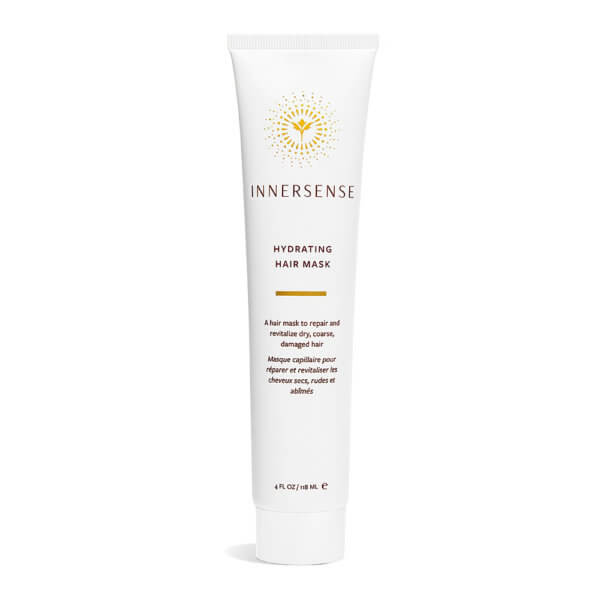
Hydrating Hair Mask (177ml)
Trying for a baby and assisted reproductive technology (ART)
When planning for a baby, the body is already preparing for pregnancy. In the case of assisted reproductive technology (ART), hormone treatments can amplify these effects. It is common to see more diffuse hair loss, looser curls or a more sensitive scalp.
The hair follicle changes the shape of the fibre because hormones influence the distribution of keratin and the elasticity of the hair.
Our hair care tips
The priority is gentleness. Simple routines, scalp care, minimal heat and loose hairstyles help to support the hair fibre without damaging it.
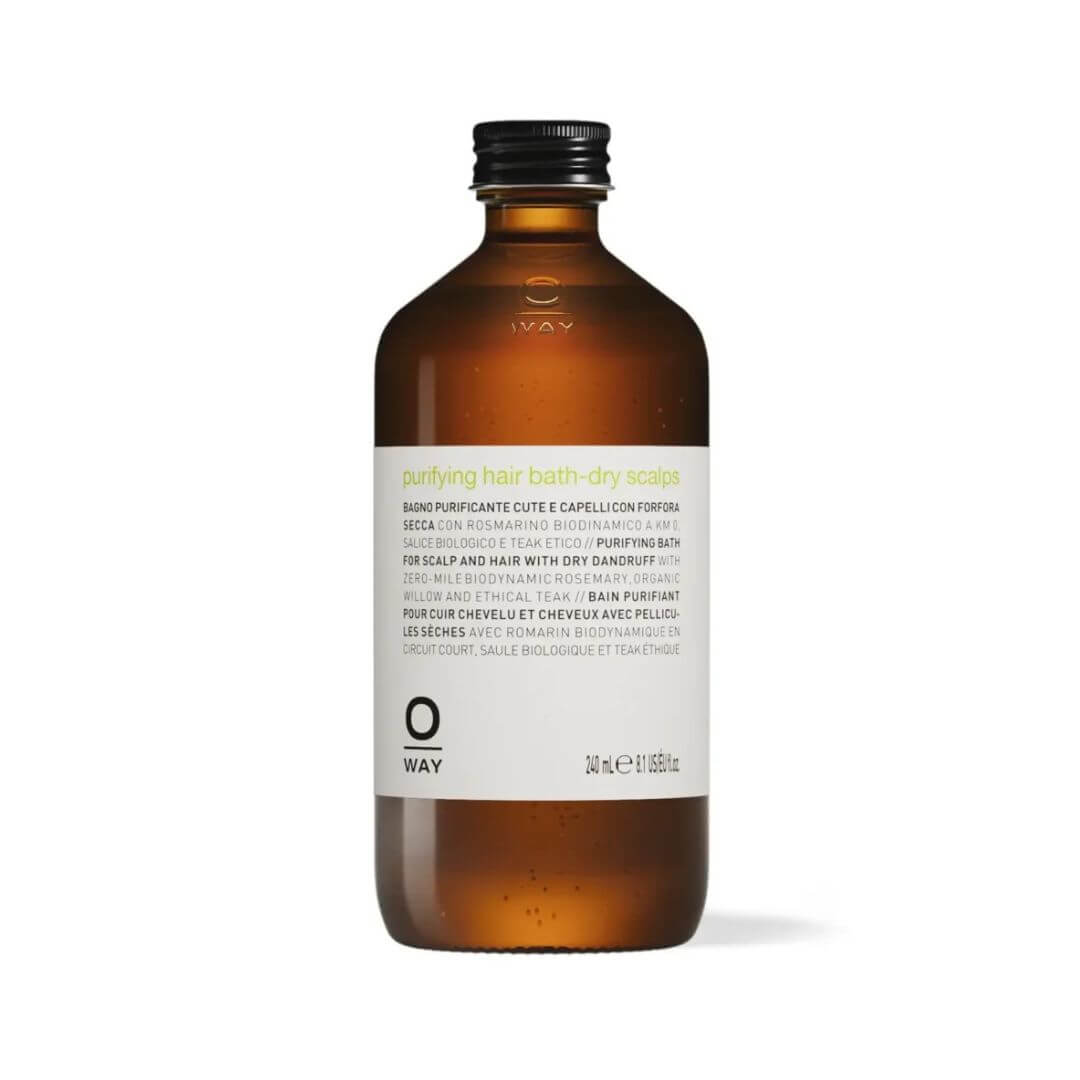
Purifying hair bath – Dry scalps Oway
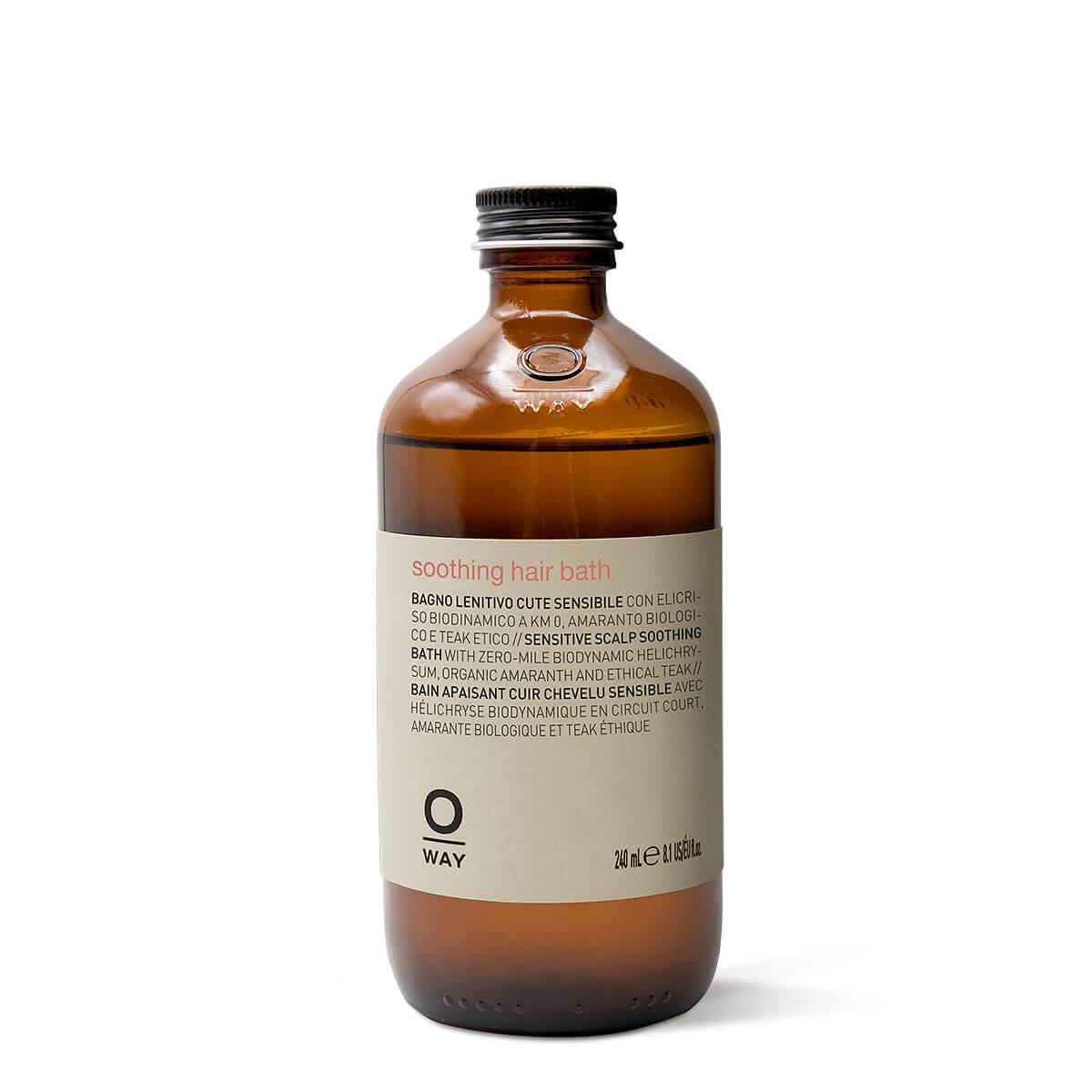
Soothing Hair bath Oway
Pregnancy: hair often at its peak
During pregnancy, oestrogen prolongs the hair growth phase. Many women notice thicker, shinier hair and less hair loss. However, some also notice changes in texture. Curls may become looser or tighter as the hair follicle slightly changes its shape and activity.
Our hair care tips
Now is a good time to restructure your haircut and take advantage of its density. Maintaining good hydration and choosing products that are gentle on the scalp will help preserve the quality of your curls.
Postpartum and breastfeeding
After giving birth, there is a sudden drop in hormone levels. This often leads to diffuse hair loss, known as telogen effluvium. It usually appears between 2 and 4 months after birth.
During breastfeeding, prolactin remains high and oestrogen levels remain low, which can prolong this hair loss or cause it to reappear when weaning. This may be accompanied by a loss of density, short hairs growing back and a temporary change in texture.
Although this may look dramatic, the follicles remain alive and regrowth is underway.
Our hair care tips
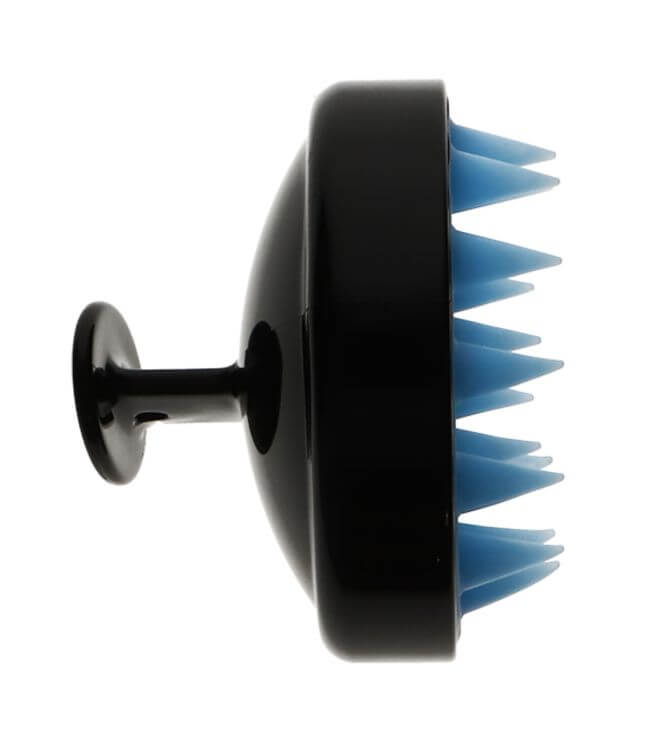
Don’t try to ‘stop’ hair loss. Scalp massages, fortifying treatments and haircuts designed to restore visual volume will help you get through this period with greater peace of mind.
Densifying remedy Oway
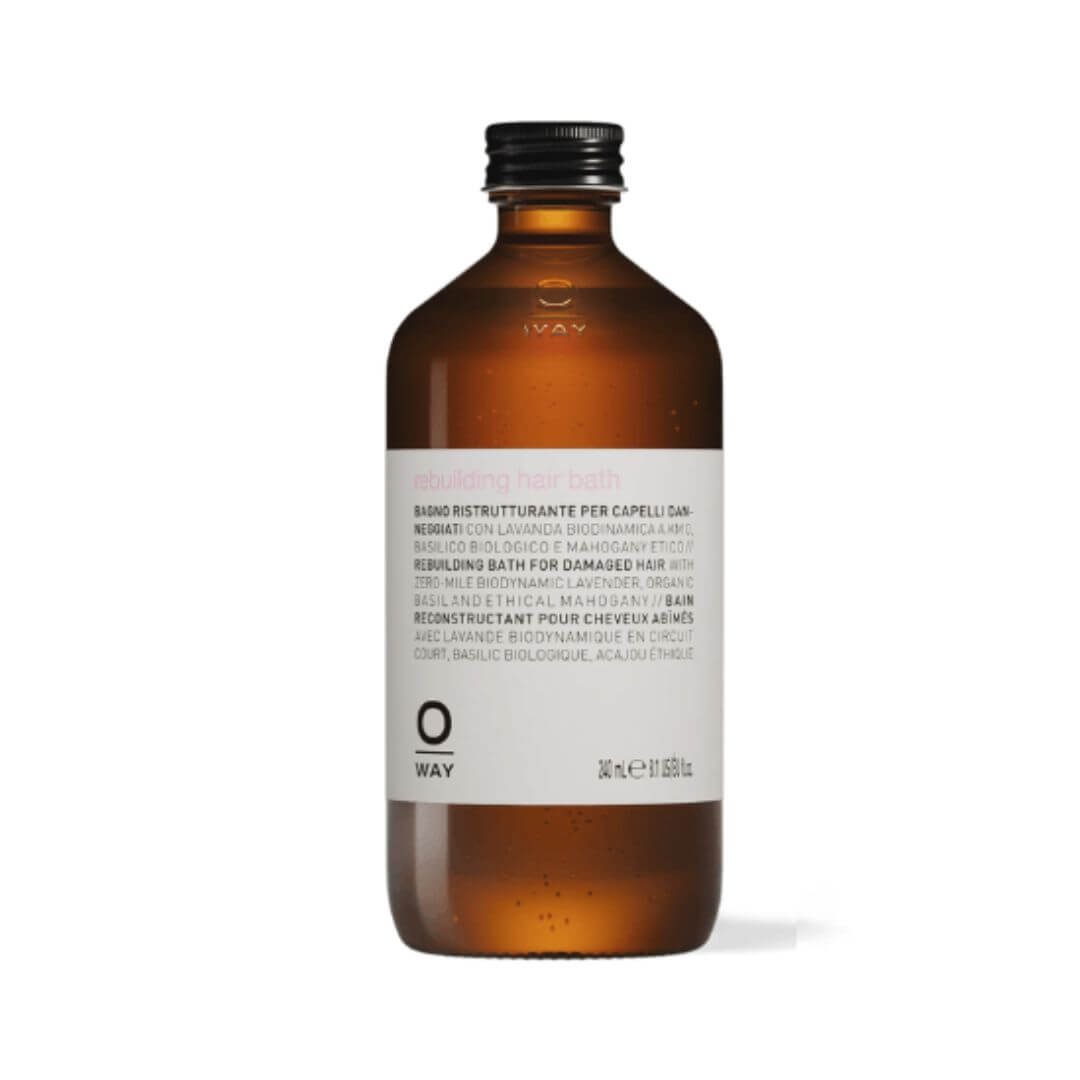
Shampoo Rebuilding Hair Bath (240ml)
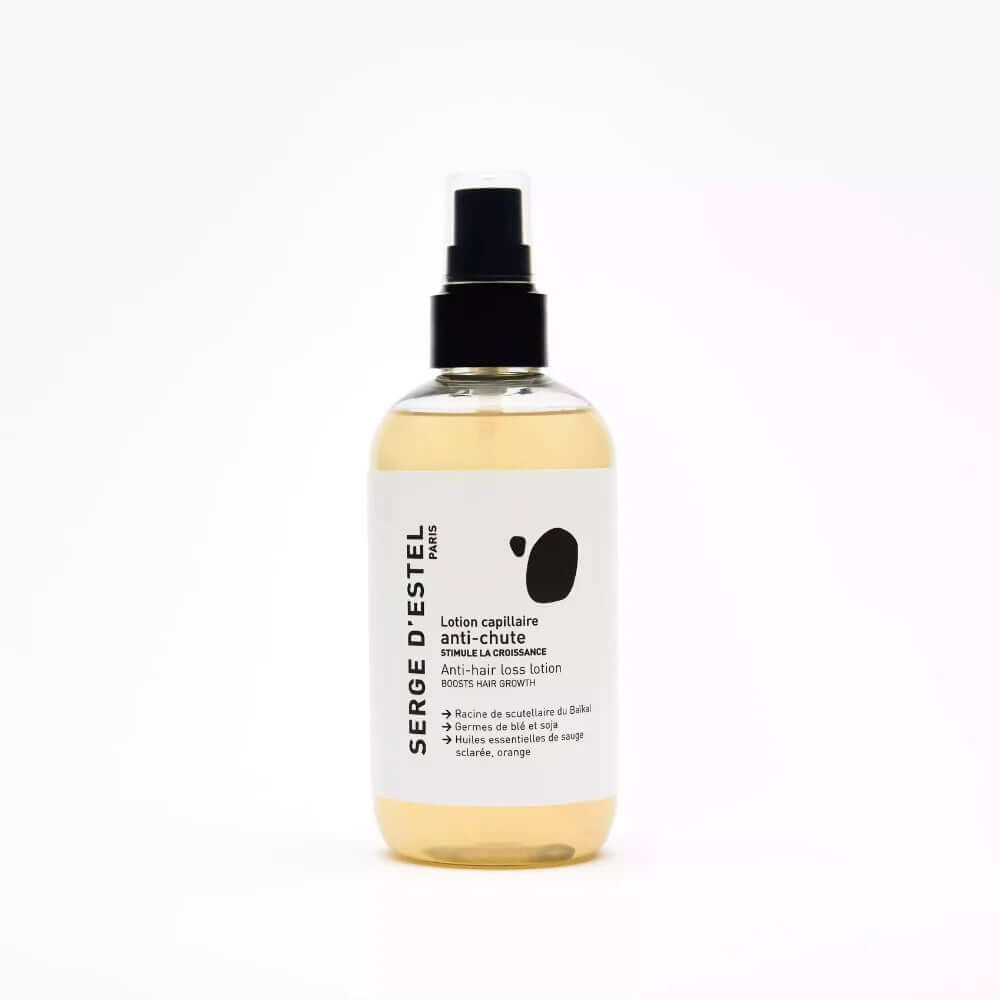
COSMOS NATURAL anti-hair loss lotion
Perimenopause
Perimenopause is a period of hormonal transition lasting several years. Oestrogen levels become more irregular. Hair may become finer, drier and lose volume and definition.
In textured hair, curls may appear looser or more fragile, as the hair fibre is less hydrated and the scalp produces less sebum.
Our hair care tips
Boosting hydration and nutrition is essential. Scalp care helps support growth and preserve density.
Shampoo Rebuilding Hair Bath (240ml)
Densifying remedy Oway
Menopause
During the menopause, oestrogen levels drop significantly. This can cause a reduction in density, drier hair and sometimes more pronounced hair loss.
The hair follicle receives less hormonal stimulation, which slows down growth.
Our hair care tips
Hair then needs more nourishment, regular scalp massages and cuts that restore movement and density.
Densifying remedy Oway
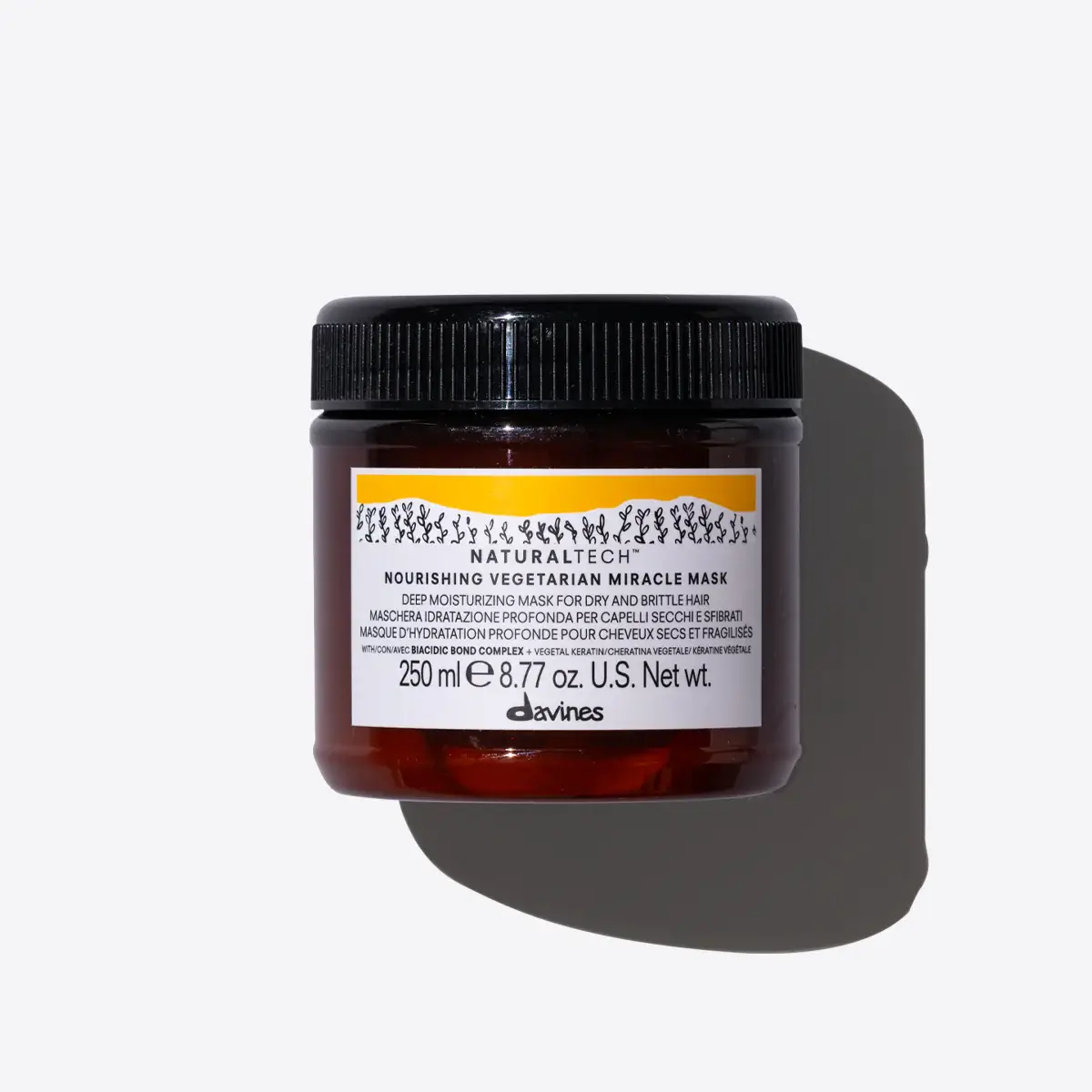
NOURISHING Vegetarian Miracle Mask
When should you consult a doctor?
Unusual hair loss, patches, severe itching, extreme fatigue or prolonged hair loss should prompt you to consult a healthcare professional to check your iron levels, thyroid function or possible hormonal imbalances.
Your hair accompanies you every step of the way
At the salon, our role is to support you through these transitions, with treatments tailored to your scalp, cuts that respect your hair texture, and expert advice to help you navigate each stage with greater peace of mind.
Disclaimer
We are not healthcare professionals. This article is for informational purposes only and does not replace the advice of a doctor, dermatologist, midwife or gynecologist. If in doubt, consult a medical professional.
HOW-TO GUIDE TO PROTECT YOUR WAVY, CURLY AND AFRO HAIR
HOW-TO GUIDE TO PROTECT YOUR WAVY, CURLY AND AFRO HAIR As autumn and winter set in, fluctuating temp
How to Define Your Curls Based on Your Hair Type?
How to Define Your Curls Based on Your Hair Type? Wavy, curly, coily and kinky hair require special
Open letter to my curls
Most times people criticize you, neglect you, call you unruly or untidy. You are often asked to stra


Leave a Reply