


HAIR MASKS FOR WAVY, CURLY, COILY AND AFRO HAIR: THE WINTER SURVIVAL KIT

HAIR MASKS FOR WAVY, CURLY, COILY AND AFRO HAIR: THE WINTER SURVIVAL KIT
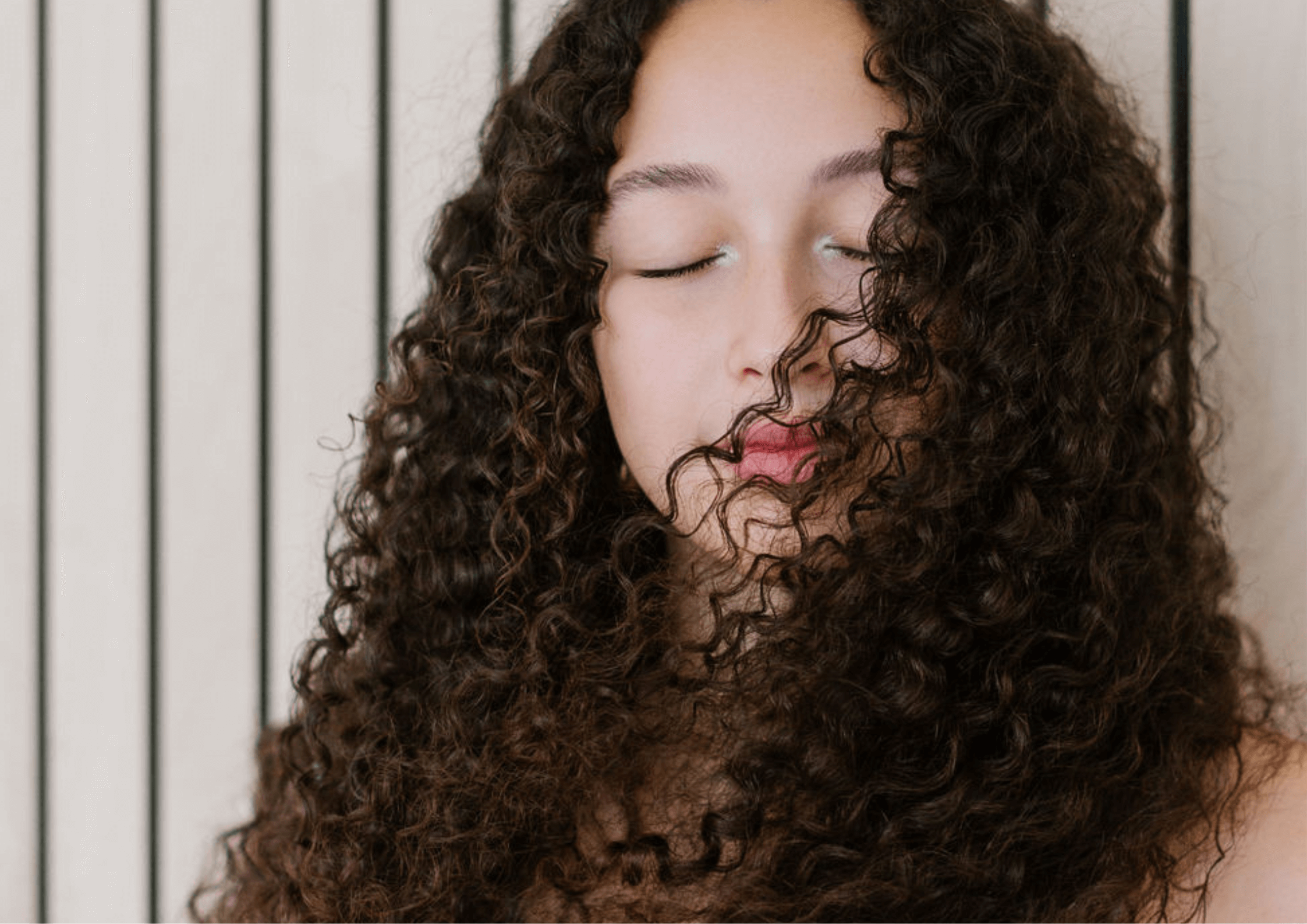
It’s cold and dry outside. Inside, the heating’s on. And in between, there are scarves and hats rubbing against your hair. Winter puts our hair through its paces, and curly, coily and afro hair is the first to feel the effects: curls that lose their definition, split ends.

The one thing that makes all the difference this season? A hair mask. But you still need to choose the right one and apply it properly. In this article, we explain what your curly, coily and afro hair needs in winter, how to choose the right hair mask for it, and how to get the most out of it.

WHY TEXTURED HAIR SUFFERS MORE IN WINTER

A texture that retains less hydration

Sebum, the natural oil produced by the scalp, protects and nourishes the hair shaft. On straight hair, it glides easily right down to the ends. On wavy, curly or coily hair, it struggles to travel down the curves. The mid-lengths and ends therefore receive much less of it.

Each curl is also a weak point: it is at these points that the cuticle, the hair’s protective layer, lifts more easily. An open cuticle allows water to escape.

Air that dries out the hair

Cold air contains little moisture, and heating dries out the air indoors even further. However, our hair is constantly exchanging water with the air around it. When the air is dry, it is the hair that loses its hydration.

Repeated friction

Hats, scarves, roll-neck and coats rub against the lengths of your hair all day long. Wool, in particular, snags the hair fibres and damages the cuticle. The result: frizz, tangles and breakage, especially at the nape of the neck and on the ends.

UNDERSTANDING WHAT YOUR HAIR TEXTURE REALLY NEEDS

Before choosing a hair mask, you need to know what you’re looking to achieve. There are three key needs that always come up, and they cannot be substituted for one another.

  • Hydration is water. It’s what makes hair supple and elastic. Dehydrated hair is rough, dull and brittle.
  • Nutrition comes from fats: oils and butters. They coat the hair fibre, soften the cuticle and lock hydration inside. Without them, hydration evaporates quickly.
  • Proteins strengthen the hair’s structure. They repair areas damaged by heat, coloring or friction.

The balance between hydration and protein

Healthy hair needs both, in the right proportions. Your hair often tells you which one it’s lacking:

  • Needs hydration: the hair is dry, rough, snaps cleanly when you pull it, and the curls lack definition.
  • Needs protein: the hair is limp, stretches a lot without springing back into shape, or breaks after being stretched too far.
  • Too much protein: the hair becomes stiff, brittle and feels ‘straw-like’.

Porosity: the key to choosing the right hair mask

Porosity describes how easily your hair absorbs and retains water. It depends on the structure of your hair, but also on what it has been through: coloring, straightening and heat exposure.

Low porosity
How to recognise it: the hair takes a long time to get wet and to dry. Products remain on the surface.
What it needs: lightweight hair masks, and heat to help the treatment penetrate.

Medium porosity
How to recognise it: the hair absorbs treatments well and retains moisture for quite a long time.
What it needs: a balance between hydrating and nourishing hair masks.

High porosity
How to recognise it: the hair soaks up products very quickly, but dries out very quickly too. It frizzes easily.
What it needs: rich hair masks, regular protein treatments, and a step to seal in the hydration.

WHICH HAIR MASK SHOULD YOU CHOOSE FOR YOUR CURLY, KINKY AND COILY HAIR IN WINTER?

The hydrating mask

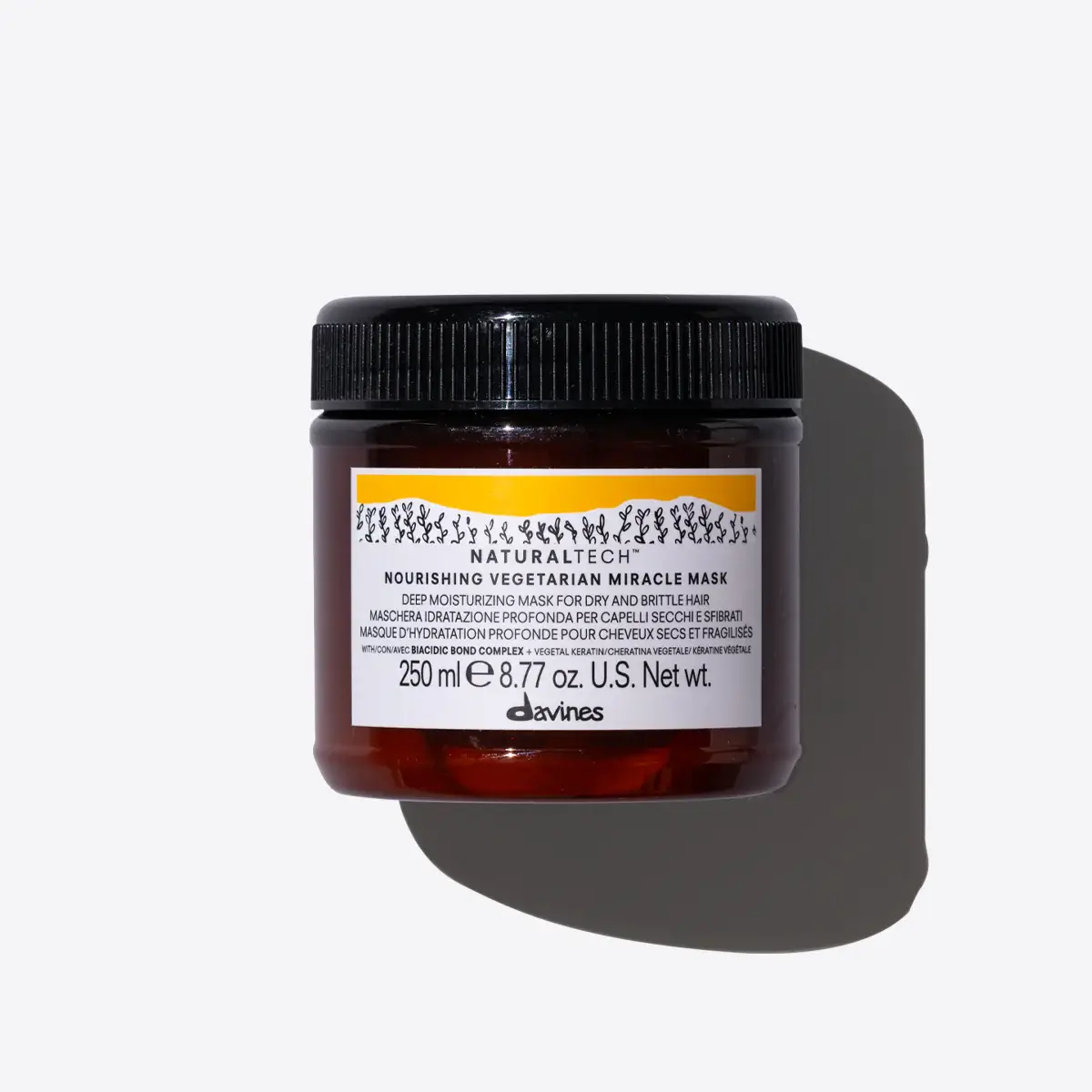
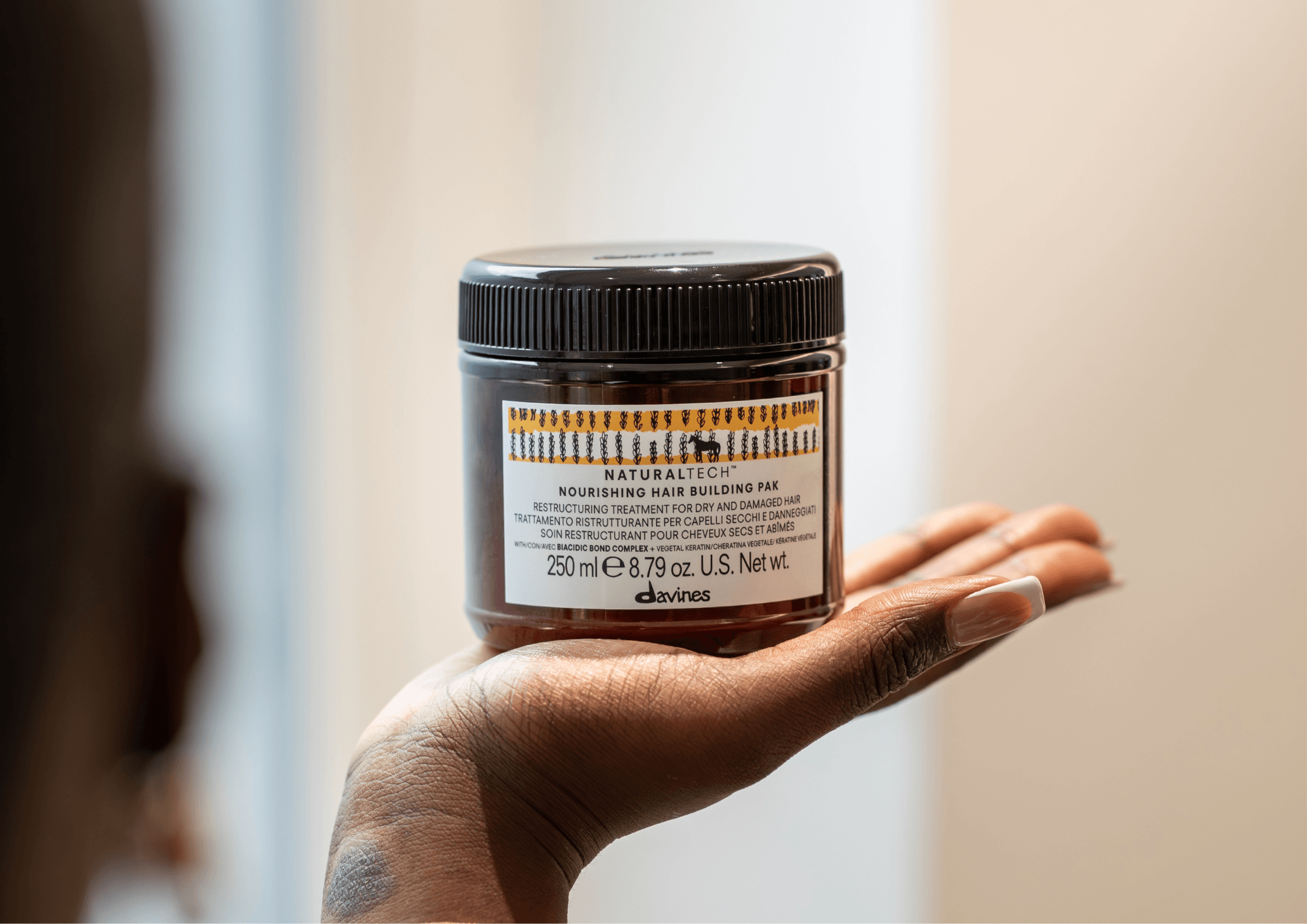
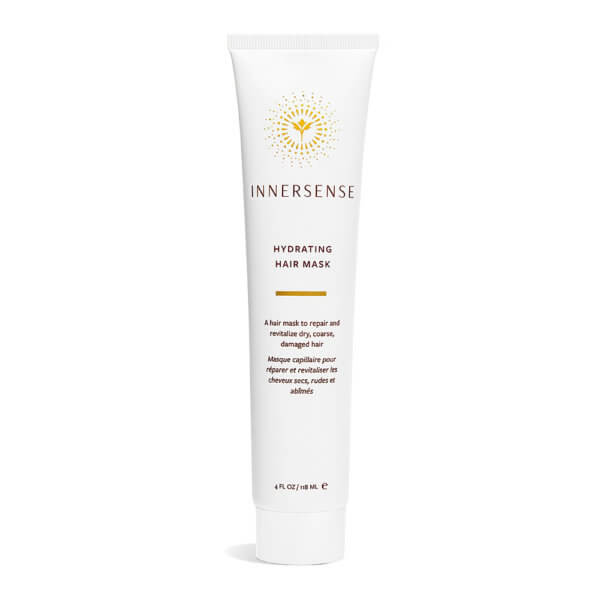
This is the foundation of any winter routine. It provides moisture and active ingredients that draw water into the hair fibre: aloe vera, glycerine, panthenol, hyaluronic acid and honey.
Who is it for? All textured hair types, particularly hair that is dull and lacks definition. All textured hair types, particularly hair that is dull and lacks definition.

The protein or repairing mask:

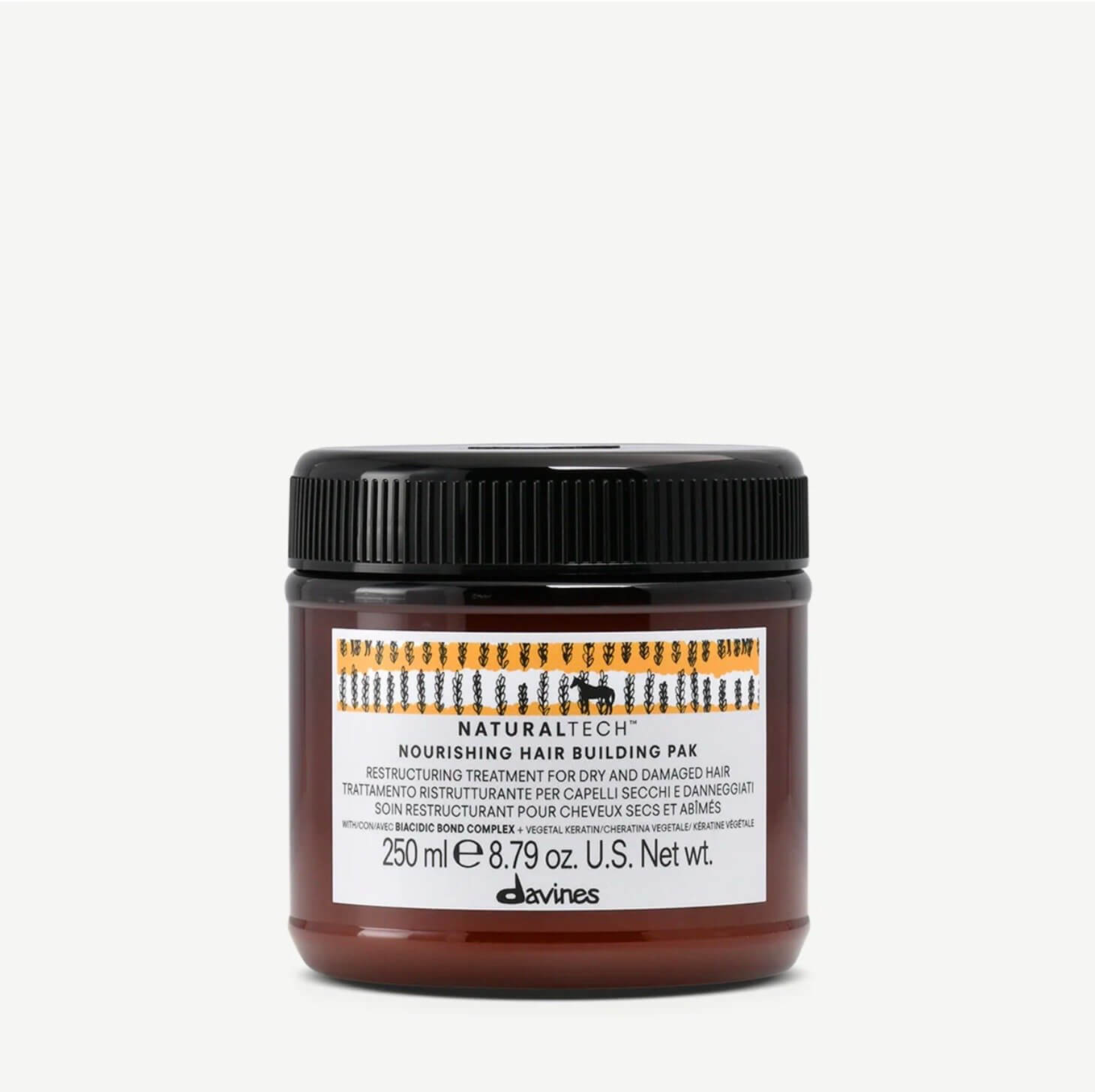
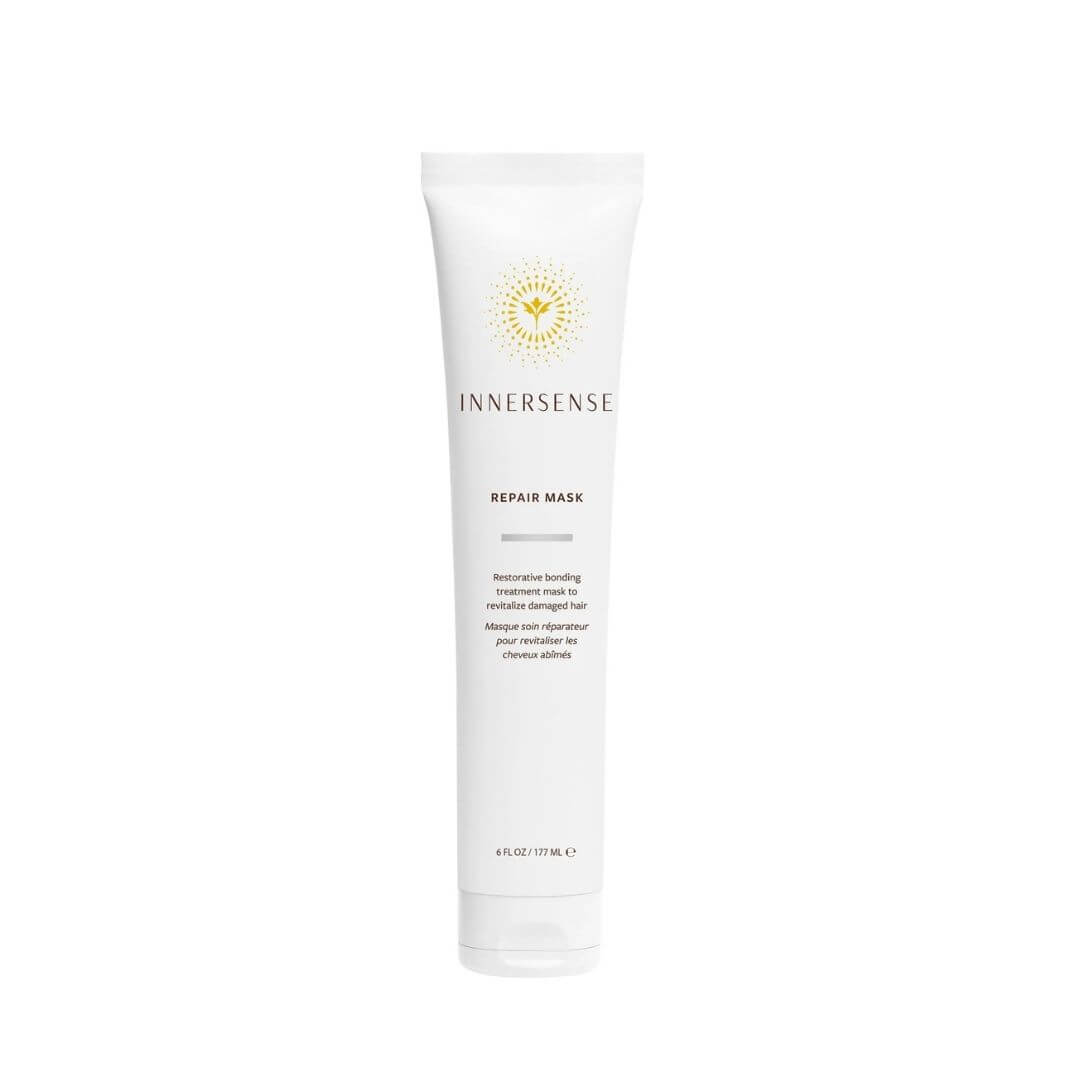
It contains proteins or amino acids (wheat, rice, silk, quinoa, keratin) which strengthen the hair’s structure and reduce breakage.
Who is it for? Colored hair, hair that is regularly straightened, or very springy hair.

In summary

  • Hydrating mask: hydration and suppleness. Once a week.
  • Protein mask: strength and reduced breakage. Every 3 to 6 weeks, depending on your needs.

HOW TO APPLY YOUR HAIR MASK PROPERLY: OUR METHOD

Even a good hair mask loses much of its effectiveness if applied incorrectly. Here are the steps that make all the difference.

  1. Gently wash your hair to prepare it for the treatment.
  2. Gently squeeze your hair with your hands. It should be damp, not dripping wet.
  3. Work in sections. Divide your hair into four to eight sections depending on its thickness, so that every strand receives the treatment.
  4. Start with the ends. These are the oldest and most fragile parts. Then work your way up the lengths, avoiding the roots if your scalp gets oily quickly.
  5. Detangle whilst the treatment is on. This is the ideal time.
  6. Apply heat. Use a heated cap or a warm towel. The heat slightly opens the cuticle and helps the treatment penetrate, especially in low-porosity hair.
  7. Leave on for the recommended time, usually 15 to 30 minutes. Leaving a mask on overnight doesn’t offer any additional benefits, and keeping your hair wet for too long can weaken it.
  8. Rinse with lukewarm water.

MISTAKES TO AVOID

  • Applying the mask to soaking-wet hair. The water dilutes the treatment and prevents it from adhering to the hair shaft.
  • Using too little. With thick or frizzy hair, you often need a generous amount to cover each section.
  • Using a protein mask every week. Too much protein makes the hair stiff and brittle.
  • Rinsing with water that’s too hot. This dries out the scalp and the lengths.
  • Going out with wet hair in very cold weather. Wet hair is more fragile. At the very least, dry your roots and ends before going out.
  • Forgetting to use it overnight. A satin cap or pillowcase prolongs the effect of your mask.

A RITUAL, RATHER THAN A CHORE

Winter is the perfect season to slow down. Make your hair mask a real treat for yourself: a candle, a hot drink, a warming hat, and thirty minutes all to yourself. Your curls will thank you for it right through to spring.

Not sure which mask is right for you? Send us a WhatsApp message, and we’ll help you put together your winter routine.

AND AT COHEA?

Once a month or at the change of each season, an in-salon deep treatment gives your hair what a home hair mask cannot always provide: a diagnosis, more concentrated professional products and a steam treatment that helps the treatment penetrate deep into the hair fibre.

YOUR QUESTIONS ABOUT HAIR MASKS FOR WAVY, CURLY, COILY AND AFRO HAIR

How often should you use a hair mask in winter?

Once a week, when you wash your hair, is a good frequency for most textured hair types. Very dry or highly porous hair may benefit from using one twice a week.

Conditioner is rinsed out after a few minutes. It seals the cuticle and makes detangling easier. A hair mask is more concentrated and is left on for longer to deeply nourish the hair fibre.

Afterwards, on clean, towel-dried hair. Before shampooing, it’s better to apply an oil treatment to protect the lengths.

It isn’t necessary. Most hair masks work within 15 to 30 minutes, especially when heat is applied. Leaving your hair wet all night can actually weaken it.

If it feels limp, stretches easily without bouncing back, or lacks body, this is often a sign that it needs protein. If it’s stiff and brittle, it’s more likely to need hydration.

Leave a Reply

Your email address will not be published. Required fields are marked *